
Nags Head Investment Analysis for Coastal Homes
May 14, 2026
May 14, 2026
If you are looking at Nags Head real estate as an investment, the list price is only the starting point. On the Outer Banks, a home’s real value depends on how it rents, what it costs to carry, and how well it holds up against coastal risk. That is why Brook evaluates Nags Head homes through an operator’s lens, not just a buyer’s lens. Let’s dive in.
Brook’s process begins by separating a lifestyle purchase from an ROI-driven purchase. That matters because a home you plan to enjoy personally may not be the same home that performs best as a rental asset.
If your main goal is income, the questions change quickly. Instead of asking only about views, finishes, or list-to-sale trends, you need to ask how the property has performed, what expenses look like, and whether the home can stay competitive through the full rental season.
In Nags Head, a strong investment analysis starts with the rental record. Brook’s approach calls for reviewing a 24 to 36 month rental ledger, along with monthly average daily rate, occupancy, and the current management setup.
That history helps you see patterns that glossy projections can miss. You can spot strong peak-season demand, weak shoulder-season performance, and whether revenue has been supported by smart pricing or simply by a strong market year.
A real rental review should include:
Brook’s investment lens is built around this type of conservative underwriting. Rather than accept projected income at face value, she looks for proof in the ledger and tests whether the numbers still work under more cautious assumptions.
A Nags Head home is not just a static asset. It is an operating business, and pricing strategy can affect results throughout the year.
Brook’s public messaging emphasizes rate management and yield optimization. In practice, that means looking at how nightly or daily pricing is being set, whether rates are responsive to demand, and where simple adjustments may improve off-season bookings without undercutting peak-season revenue.
This can be especially important in shoulder seasons. A home that looks average on an annual summary may actually be underperforming because rates were not managed closely enough during slower booking periods.
Traditional sales comps still matter, but they are not enough for an investor purchase. Brook evaluates homes through a revenue lens as well, which gives you a more complete view of performance.
That matters in a market like Nags Head, where two homes with similar square footage can produce very different rental outcomes. Layout, maintenance profile, location within town, and management quality can all affect net results.
Brook also uses tools like CB Estimate® and Move Meter® as inputs, not final answers. CB Estimate® can help with a first-pass value screen, while Move Meter® can help compare affordability and location factors if you are weighing Nags Head against other markets or Outer Banks submarkets.
The key is that those tools support the analysis. They do not replace rent rolls, local comps, insurance quotes, tax details, or flood exposure review.
Nags Head allows residential short-term rentals in every zoning district, but owners still need to understand the town’s operating rules. The town requires annual registration before a property is rented or offered for rent.
The town also limits partial-house rentals to two bedrooms and notes an exemption for rentals managed by a real estate broker. For an investor, those details matter because compliance and management structure can affect how easy the property is to operate.
This is one reason Brook’s vertically integrated model stands out. Her work across brokerage, property management, and investor consulting fits the reality of owning a vacation rental, where operations often shape returns just as much as purchase price.
A Nags Head investment pro forma should also account for local taxes tied to short-term rentals. Dare County’s occupancy tax is 6%, and taxable accommodation rentals in Dare County are also subject to North Carolina’s combined state and local sales and use tax rate of 6.75%.
That means a typical taxable short-term stay can carry a combined guest-side tax burden of 12.75% before platform fees or other charges. Even though guests usually pay these taxes, they still affect rate positioning, booking behavior, and how your property stacks up against nearby options.
Owners also need to remember that carrying costs may include county tax, town tax, and in some cases beach nourishment-related district taxes. A complete investment review should account for all of them before you decide what a property is really worth to you.
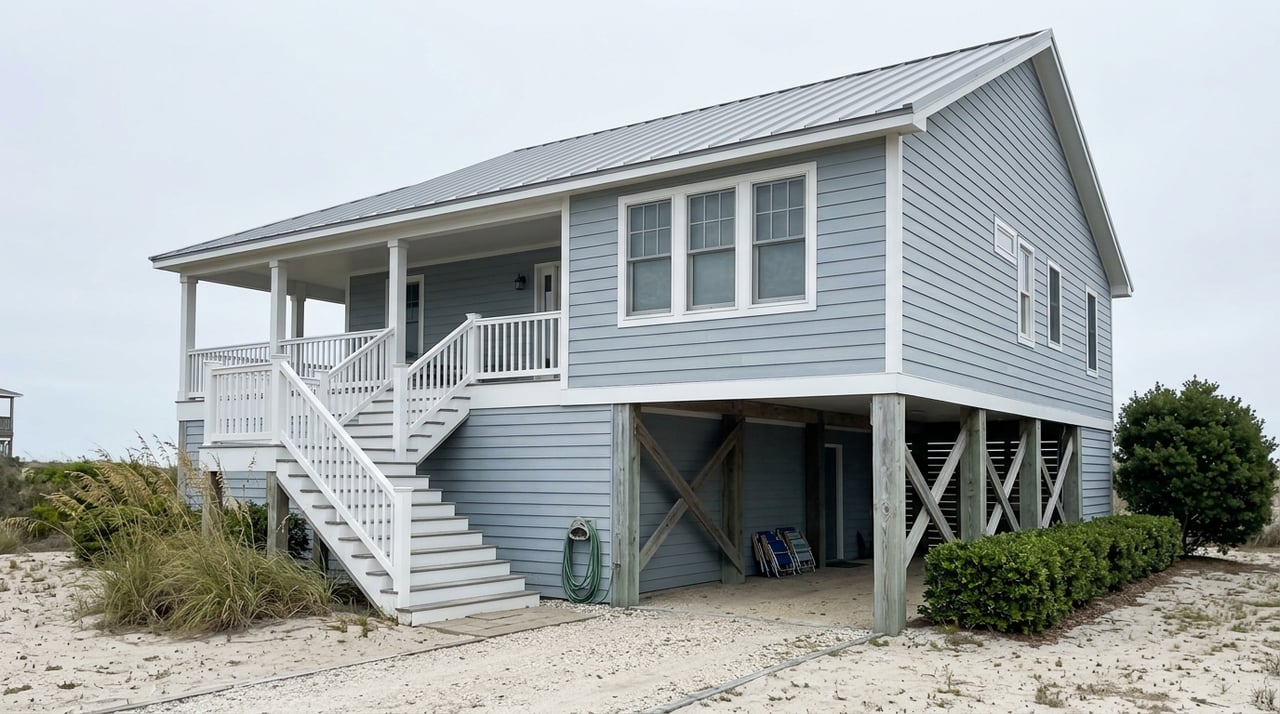
Inland investing logic does not fully apply in Nags Head. Flood exposure, storm vulnerability, and long-term maintenance risk need to be part of the investment thesis from day one.
The town identifies hurricanes, winter storms, and seasonal high tides as major flood threats. Nags Head also identifies two Special Flood Hazard Areas in town, AE and VE, and applies a local elevation standard with a regulatory flood protection elevation of 12 feet east of NC 12 / SR 1243 and 9 feet west of those roads.
For you as a buyer, this means physical diligence is not optional. It is central to understanding both ownership costs and long-term resilience.
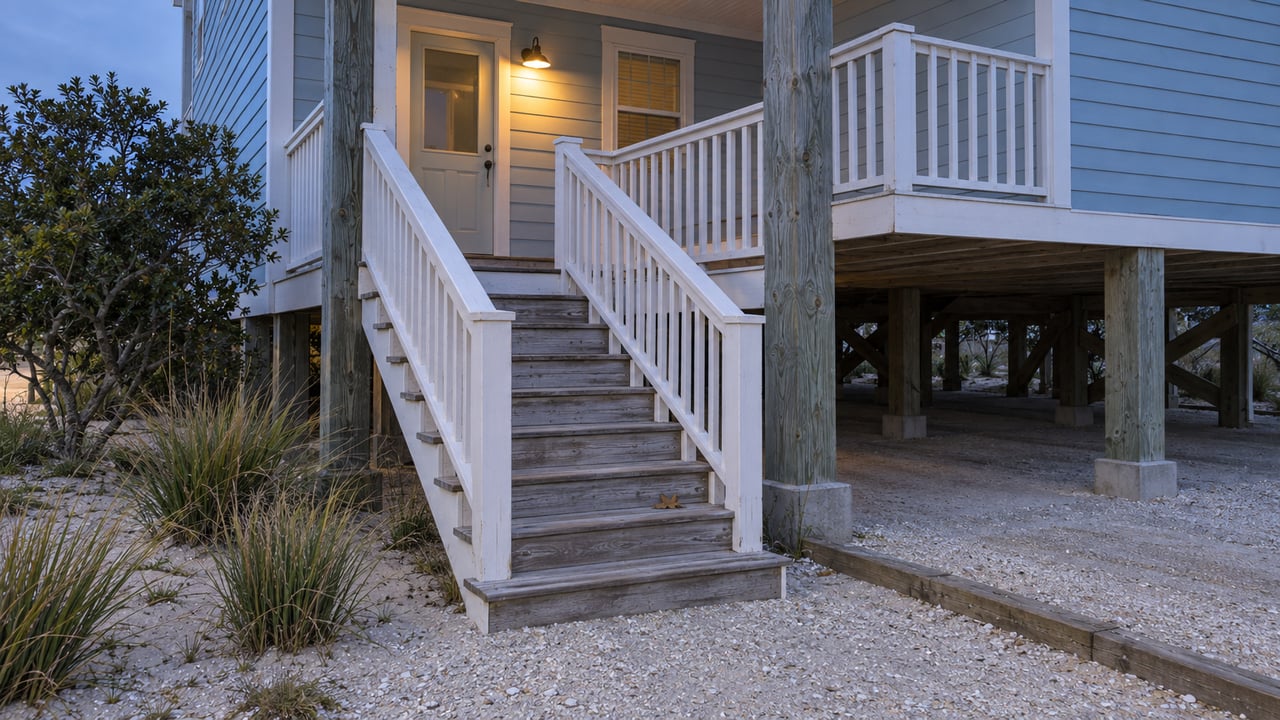
Brook’s listing and investment approach reflects the real cost drivers of barrier island ownership. She pays attention to details that can directly affect your maintenance budget and risk profile.
Important items to review include:
These details can change the picture fast. Sometimes a lower-priced home looks attractive at first glance, but a newer or better-maintained property may offer a stronger net result once repairs, downtime, and replacement costs are factored in.
In Nags Head, shoreline policy is part of ownership economics. The town says its shoreline management program is designed to protect existing development and infrastructure from storm surge, sea level rise, and shoreline migration through beach nourishment and dune management.
That is important for investors because nourishment can support access and reduce certain impacts, but it is also periodic and can create short-term disruptions. The town’s project information notes that construction can involve heavy equipment, staging areas, and temporary beach access impacts.
Those conditions can affect guest experience during project periods. They also remind you that a beach market investment should be evaluated with both current income and operational interruptions in mind.
A strong Nags Head investment analysis is not based on best-case assumptions. Brook’s process is designed to pressure-test a property before you commit.
That means looking at questions like:
This kind of review helps you avoid buying a property that looks good on paper but struggles in real operations. It also helps you identify underperforming assets that may improve with better pricing, simpler upgrades, or stronger management.
Brook’s investment lens is practical and measurable. She is not just helping you identify a property you like. She is helping you understand whether the home fits your goals, your risk tolerance, and your ownership strategy.
That is especially valuable in Nags Head, where rental performance, flood exposure, maintenance, and local regulation all influence the outcome. A smart purchase is rarely just about buying the right address. It is about buying the right income profile, cost structure, and operating setup.
If you want a data-driven look at a Nags Head home, or want to compare one opportunity against another, Brook Sparks can help you evaluate the numbers, the risks, and the operational path before you move forward.
Stay up to date on the latest real estate trends.







I provide expert guidance for buyers, investors, and property owners looking to maximize value in coastal real estate. By understanding each client’s goals—whether lifestyle-driven or investment-focused—I help identify properties that align with long-term success. My services also include consulting for existing owners, with strategies focused on pricing, performance optimization, and simple improvements that increase revenue and visibility year-round.