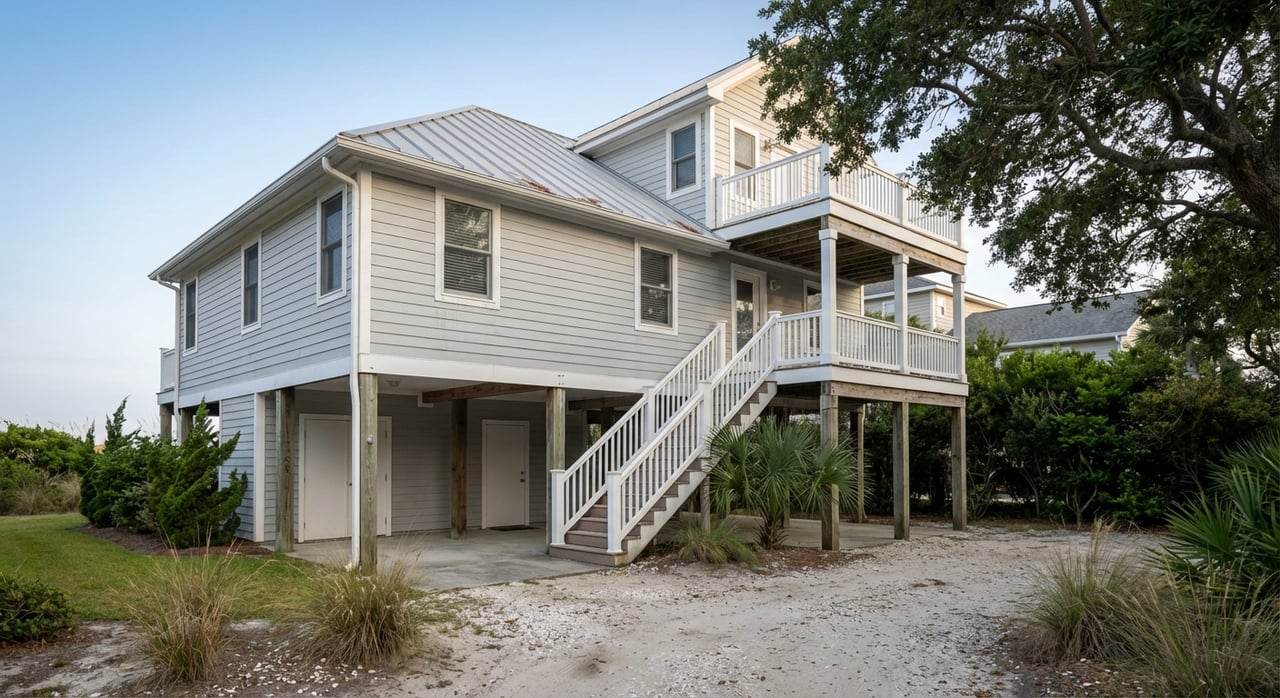
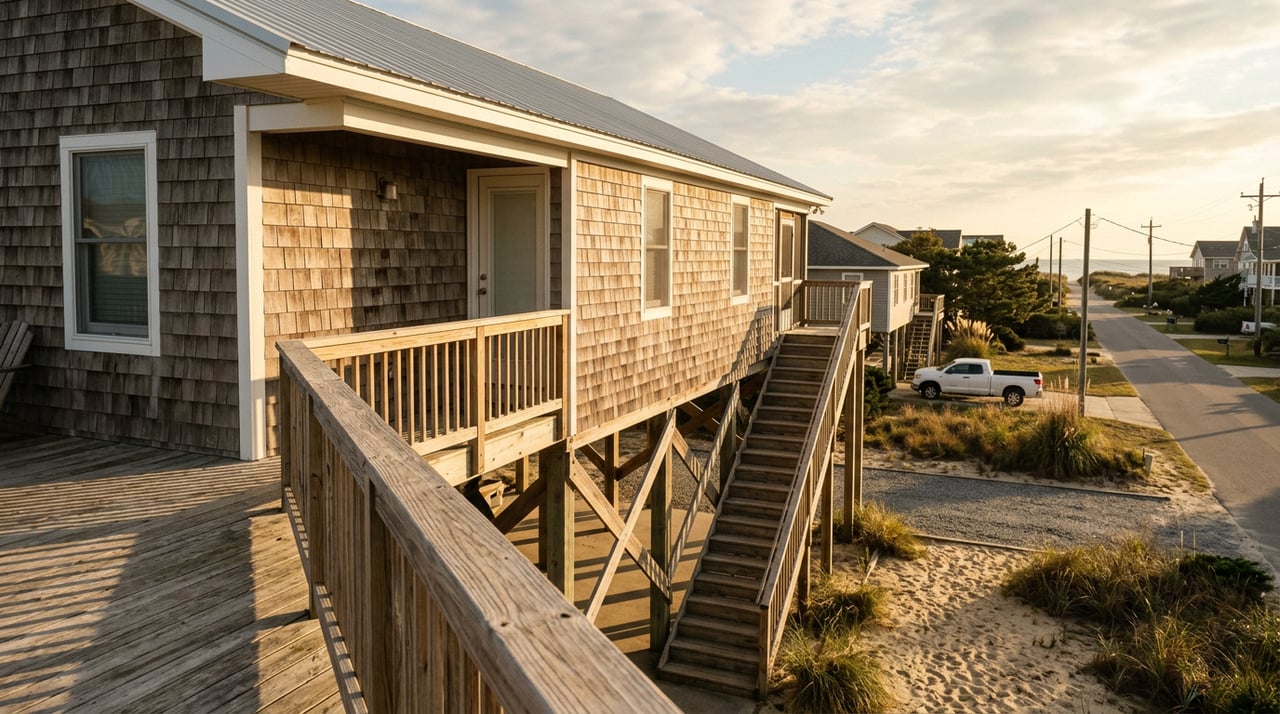
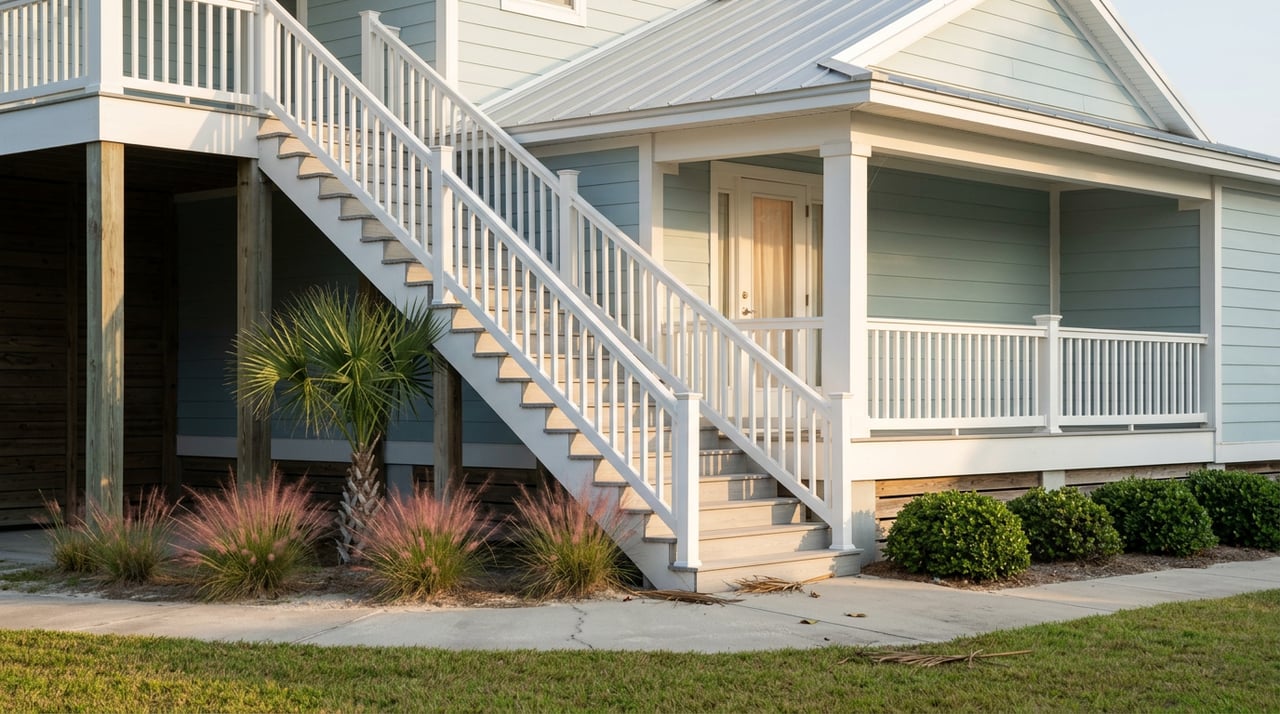
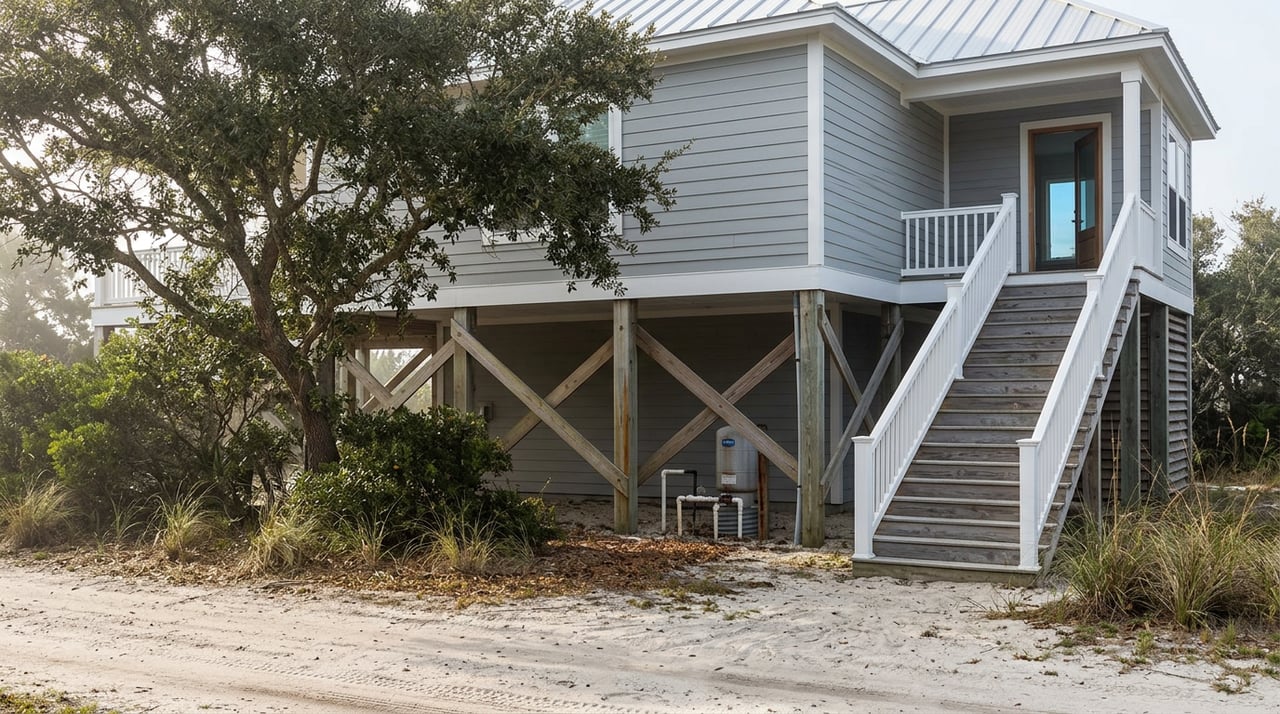
Thinking about buying a Corolla beach house that can pay its way as a vacation rental? You’re not alone. Out-of-state buyers often love the income potential but struggle to separate headline numbers from property-level reality. In this guide, you’ll learn the key metrics, real revenue ranges, taxes and costs to budget, and a simple underwriting framework you can use before you write an offer. Let’s dive in.
Corolla STR snapshot: the fast facts
Corolla is a big-house market. According to AirDNA, 100% of listings are entire homes and about 61% have 5+ bedrooms. Only about 9% are 3-bedrooms. You’ll see many pool homes and seven-night minimums in summer. AirDNA’s Corolla overview is a helpful starting point.
Market averages point to strong peak-season demand:
- Average daily rate (ADR): about $620.
- Annual occupancy: roughly 60%.
- Implied RevPAR: about $372.
A quick high-level revenue check uses ADR × occupancy × 365. At market averages, that math suggests about $136k in theoretical gross per year. Treat this as a ceiling for average properties, not a guarantee. The market is wide: modest homes earn modest sums, while top oceanfront estates can post six-figure seasons and beyond. Always validate a specific address with nearby comps, not just market means. AirDNA’s dashboard can help you pull monthly ADR and occupancy trends.
What types of homes perform
Inventory is skewed to 4–8+ bedroom single-family homes with pools and decks. Many premium homes cluster near or on the oceanfront in areas like Whalehead and Corolla Light. Weekly bookings dominate summer, with shorter minimums in shoulder months.
Observed nightly rate ranges in Corolla include:
- Entry 3–4 BR, soundside or interior, fewer amenities: roughly $150–$600 per night seasonally, with many non-luxury homes in the $300–$500 band during shoulder and peak weeks. Sample listings from local managers suggest this spread. For example, KEES Vacations’ pages illustrate how features and weeks affect pricing in Whalehead. See a representative KEES listing format.
- 5+ BR premium and oceanfront: $600–$1,200+ per night in top summer weeks. Market analytics like AirROI’s Corolla report show ADRs in the high hundreds to low thousands for best-in-class properties.
Practical takeaway: anchor your screening on 3–5 nearby comparables that match bedroom count, distance to the ocean, and amenity set. Use data tools like AirDNA or manager-provided comps to check ADR and occupancy by month before you assume a headline number holds.
Seasonality and booking behavior
Peak season in Corolla runs June through August. Shoulder months are May and September. Late fall through early spring is off-season. AirDNA shows material seasonality, with ADR and occupancy peaking in July. Many managers enforce seven-night minimums in summer and allow 3–4 nights in the shoulder or off-season. You will see high occupancy during prime weeks and far lower occupancy in winter. Plan your cleaning, linens, and owner-stay schedules around those rhythms. Review AirDNA’s seasonality view as you model monthly cash flow.
Build a quick pro forma
A clear, consistent spreadsheet will help you compare addresses quickly. Start with these inputs, then refine with real ledgers.
Data to collect first
- Property address and parcel ID. Pull assessed value and any special district taxes using county resources. A county guide like HonestCasa’s Currituck overview explains how the base rate is applied.
- A 24–36 month rental ledger from the current owner or manager. Month-by-month is ideal.
- Monthly ADR, occupancy, and average length of stay from the ledger or AirDNA.
- The current property management agreement, including commission, owner-stay rules, and who pays platform fees.
- Vendor contracts and fixed costs for pool, elevator, septic, landscaping, and HOA.
- Current insurance quotes for wind/hail, flood, and liability. Local reporting notes that coastal premiums are volatile. This overview of Outer Banks trends is a useful orientation.
Line items to include
- Gross rental receipts: seasonal ADR × occupied nights, plus any owner-kept guest fees.
- Platform and payment fees: often 3–14% depending on channel and who pays them. See this fee breakdown framework from Simple Finance Calculators.
- Management commission: full service commonly runs 20–30%. Scope matters. See the range context in this commission overview.
- Housekeeping and linens: per-turnover cost × projected bookings.
- Utilities and internet: electricity, water, cable/internet, plus pool heat where relevant.
- Insurance: hazard, wind/hail, flood, umbrella.
- Property taxes, HOA, and any special district fees.
- Routine maintenance, supplies, and a dedicated capital reserve of 5–10% of gross.
Two quick scenarios to sanity-check a listing
- Scenario 1: Market-average listing. AirDNA’s market field shows annual revenue around $42.9k for a median-type asset. With sample expenses at typical bands — 25% management (
$10.7k), 5% platform ($2.1k), cleaning $5.5k, utilities $4k, insurance $4k, a sample county property tax on a $900k assessment near $5.6k, and a 5% maintenance reserve ($2.1k) — total operating might land near $34k. That leaves an estimated $8.8k NOI before debt service. This is why average homes can look thin on cash flow at current price points. Source: AirDNA Corolla overview and county tax context via HonestCasa.
- Scenario 2: High-end oceanfront. Large oceanfront homes with strong rent rolls can report owner rental income well into six figures. Applying sample expense bands to a reported figure of about $389k in owner rental income yields approximate operating expenses near $162k and an estimated $227k NOI. Top assets can support leverage more comfortably, but they are sensitive to insurance, storm exposure, and the concentration of summer bookings. Use an actual ledger whenever available and reconcile owner receipts to platform payouts.
Use these ranges to decide whether to request deeper diligence or move on. The goal is fast triage, not perfection on the first pass.
Taxes and required remittances
- Occupancy and sales tax. Currituck County collects a 6% occupancy tax on lodging. North Carolina sales tax also applies. Managers commonly quote a combined tax rate near 12.75% that is charged to guests and remitted by the operator. Review the county’s instructions for registration, reporting, and deadlines on the Currituck occupancy tax page.
- Property tax. Currituck’s base county rate is commonly cited near $0.62 per $100 of assessed value, with possible add-ons from special districts. Example math: $900,000 assessed × 0.0062 ≈ $5,580 per year, plus any district surcharges. See the Currituck property tax guide for context and confirm parcel-level detail with the county.
Operating costs to budget
Expense bands vary by size, location, and amenity set, but these are common owner cost ranges in Corolla:
- Property management: 20–30% of gross.
- Platform and payment fees: 3–7% if owner/manager pays them.
- Housekeeping and linens: 5–12% of gross depending on turnover and home size.
- Utilities and pool/amenities: 2–8%. Larger homes with pools or spa heat run higher.
- Insurance: 1–4% and rising in coastal counties. Get quotes early.
- Maintenance and capital reserve: 5–10% of gross.
Together, these often total 35–70% of gross receipts, with small soundside homes on the low end and large oceanfront estates on the high end. Use property-specific invoices when you can and confirm who pays platform fees in your management agreement.
Key due-diligence and risk checks
- Flood and storm exposure. Many Corolla parcels sit in FEMA coastal flood zones. Expect flood insurance requirements on financed purchases and higher wind/hail premiums. Start with county guidance and mapping via Currituck flood information, then obtain an elevation certificate and quotes.
- Insurance market volatility. Coastal rental properties have seen premium pressure. Review recent policy renewals and shop coverage. A local overview of trends is summarized in this Outer Banks article.
- Access and evacuation rules. The 4×4 off-road area north of Corolla has unique access limits and evacuation procedures. Those factors can affect bookings and risk. See an example of county evacuation actions in the off-road area covered by WITN’s report.
- Septic and water constraints. Many homes rely on septic systems that can be sensitive in coastal conditions. Pull county environmental health records for system capacity and permits. For broader context, review ongoing research into coastal onsite system vulnerability summarized by NIMSS.
- HOA, amenities, and vendor contracts. In planned communities like Corolla Light or Currituck Club, factor HOA fees and amenity costs into your model. Add pool, elevator, and landscaping contracts to your fixed cost stack.
Choosing the right property for your goals
- Oceanfront vs soundside. Oceanfront homes generally command the highest ADRs and strongest peak occupancy. They also carry higher insurance costs and storm exposure. Soundside and interior homes often cost less and can be easier to maintain, with lower ADRs but fewer extreme expenses.
- Bedroom count and amenities. In a market dominated by large homes, a 6–8 bedroom with a pool and elevator can outperform on gross revenue. Smaller homes can still work if your basis is right and you focus on clean presentation, strong photography, and dynamic pricing.
- Minimum stays and turnover. Seven-night policies are common in summer. If you pursue shorter minimums in shoulder seasons, plan for more turns and higher cleaning and linen costs.
Your next 5 steps
- Ask the listing agent for a 12–36 month rental ledger with month-by-month bookings and ADR.
- Request the current management agreement, vendor contracts, and a list of inclusions and exclusions in “gross revenue.”
- Pull county tax data and any special district details for a parcel-level view.
- Order insurance quotes for wind/hail, flood, and liability at the intended coverage limits.
- Build a simple, month-by-month pro forma using seasonal ADR and occupancy. If you want a ready-to-use template, ask for Brook’s spreadsheet during your consultation.
When you want a clear, data-backed read on a specific property, you can get a one-on-one, operator-level view of revenue potential, expense outlook, and sale exit strategy with Brook Sparks. Request your CB Estimate & Owner Consultation and move forward with confidence.
FAQs
What is the average nightly rate and occupancy in Corolla?
- AirDNA reports an average daily rate near $620 and about 60% annual occupancy for Corolla, with peak ADR and occupancy in July. See the AirDNA Corolla overview.
How much tax will guests pay on my Corolla rental?
- Currituck County collects a 6% occupancy tax and North Carolina sales tax also applies. Managers typically quote a combined guest tax near 12.75%. Review details on the county occupancy tax page.
What property management fee should I expect?
- Full-service management commonly runs 20–30% of gross rental revenue in Corolla. Clarify scope in the agreement, including who pays platform fees and how cleaning is handled. See context in this commission overview.
What are typical cleaning and utility costs for larger homes?
- Cleaning for big houses can run $150–$400+ per turnover depending on size and linens. Utilities for pool homes vary widely and can total $3k–$12k+ per year, with pool heat and summer HVAC driving costs.
Do oceanfront homes always deliver the best ROI?
- Oceanfront often wins on gross revenue but can face higher insurance, maintenance, and storm exposure. Your ROI depends on purchase basis, true rent rolls, and operating discipline. Compare oceanfront and soundside options with side-by-side pro formas before deciding.
Are there special considerations for the 4×4 off-road area?
- Yes. Limited access and evacuation rules can affect bookings and operations. Review county guidance and past evacuation notices such as those described by WITN and factor them into your plan.