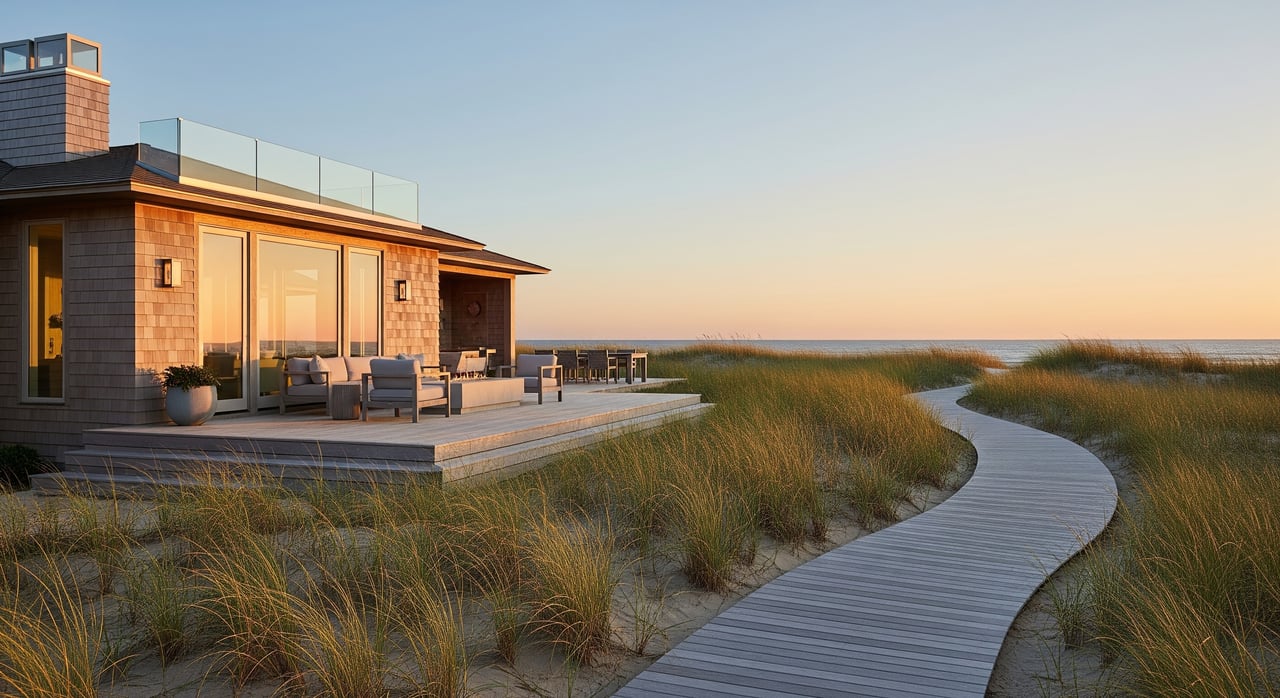
Corolla NC Beach House Ownership: Daily Life & Costs
February 5, 2026
February 5, 2026
Imagine waking up to ocean light, then spending your afternoon tracking a contractor, checking a dehumidifier setting, and answering a renter’s Wi‑Fi question. That is the real rhythm of owning a beach house in Corolla. You get the beach lifestyle you want, paired with seasonal demand, coastal maintenance, and clear operating tasks. In this guide, you will learn what daily life looks like, how rental income tends to flow, what it costs to run a home, and the checklists that keep things smooth. Let’s dive in.
Corolla sits on the northern Outer Banks in Currituck County. You access it by the US‑158 and NC‑12 corridor. Most neighborhoods are paved and simple to reach. North of developed Corolla, the beach‑driving area near Carova requires four‑wheel drive, so confirm access for any home you consider.
Seasonal rhythm shapes everything. Summer is busy with family vacationers and heavy traffic near shops and beach accesses. Spring and fall are calmer shoulder seasons that many owners use for personal stays and light rentals. Winter is quiet, which is great for projects and larger maintenance.
Amenities meet daily needs, but hours can be seasonal. You will find groceries, restaurants, and convenience services in Corolla, with more options on the mainland. On most days you will plan beach time, quick supply runs, and short trips to nearby attractions like the lighthouse or the wild horses.
What drives bookings is straightforward: proximity to the beach, bedroom count, and amenities such as a pool, hot tub, elevator, and pet‑friendly policies. Families and multigenerational groups are common, so practical features and parking matter.
Peak rental months are June through August. Memorial Day, Fourth of July, and Labor Day weeks see strong demand. May and September often provide shoulder‑season revenue. Winter bookings tend to be limited.
Most owners use local property managers or short‑term rental platforms. A full‑service manager can handle marketing, bookings, turnovers, and guest communication. Fee models vary by company and service level. Because summer carries most of the year’s revenue, you should model cash flow with conservative off‑season assumptions.
Expect coastal ownership to carry higher ongoing costs than inland homes. Your budget should include:
Build a contingency line for storm repairs and systems failures. Insurance can be a significant line item, so secure quotes early in due diligence.
Salt air accelerates corrosion of outdoor lighting, fasteners, railings, grills, pool equipment, and HVAC condensers. Plan to replace or service metal components more often than you would inland. Exterior paint, stain, and sealants wear faster, so schedule regular touch‑ups.
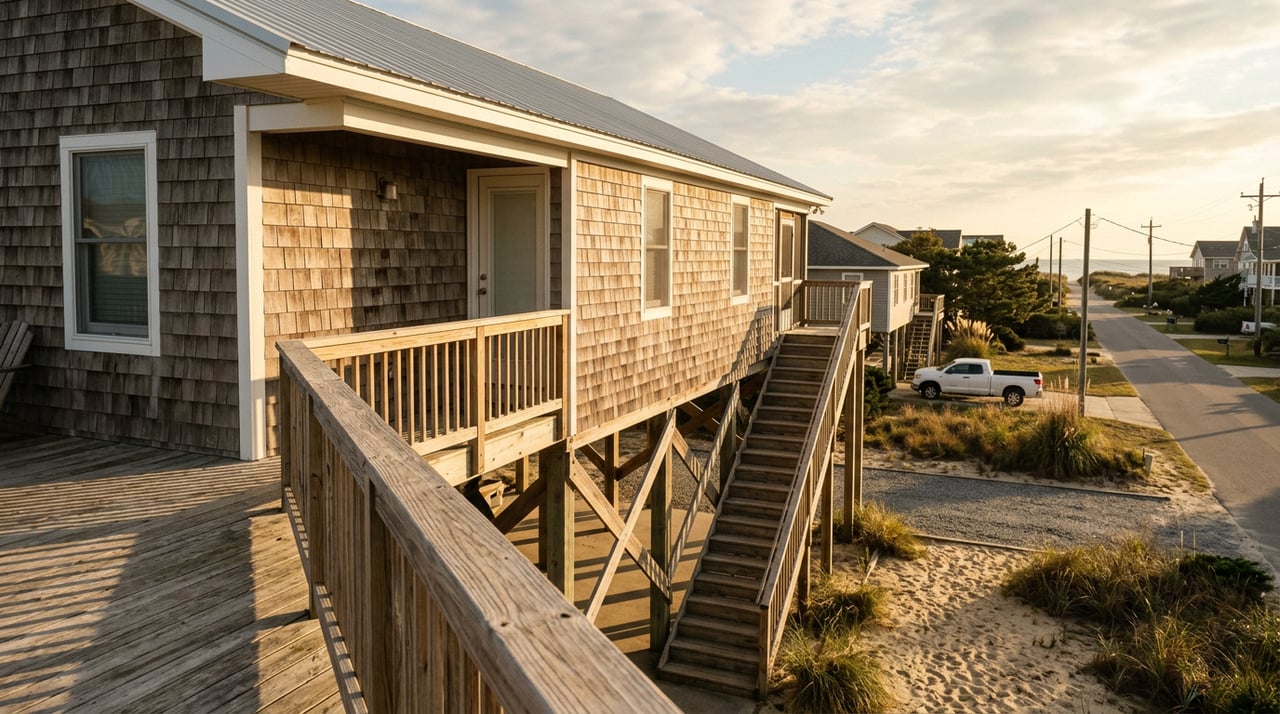
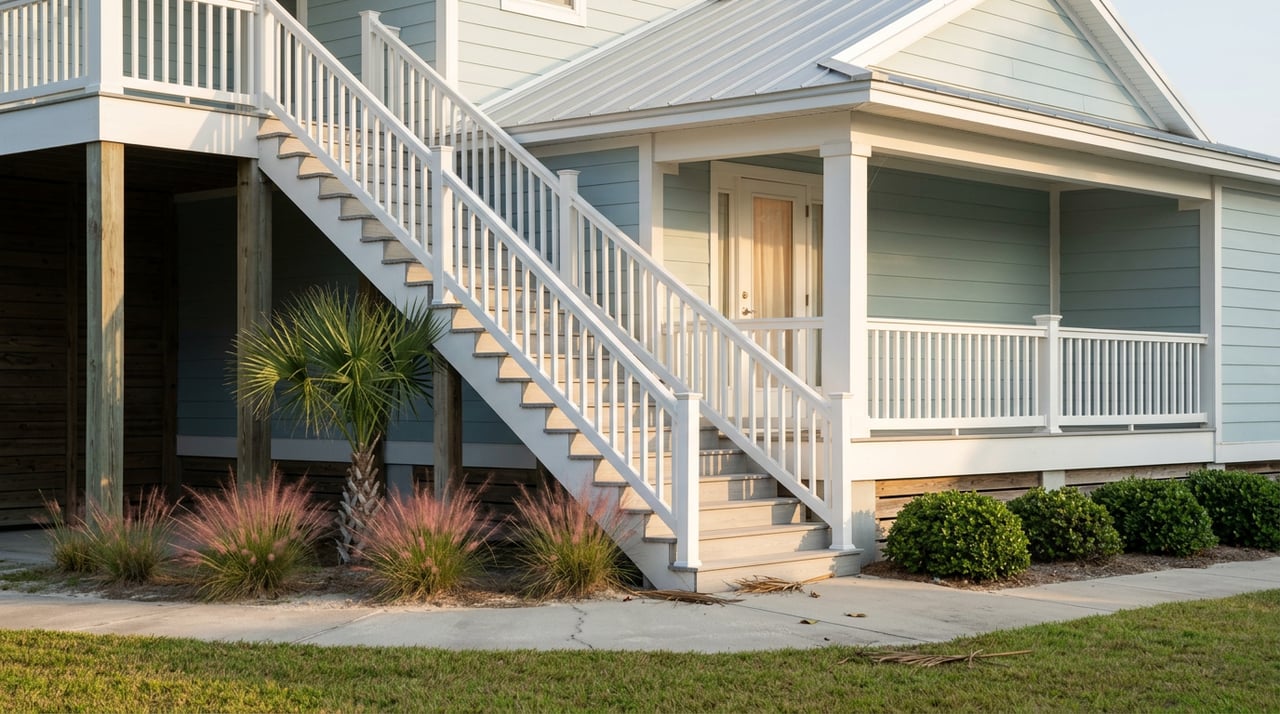
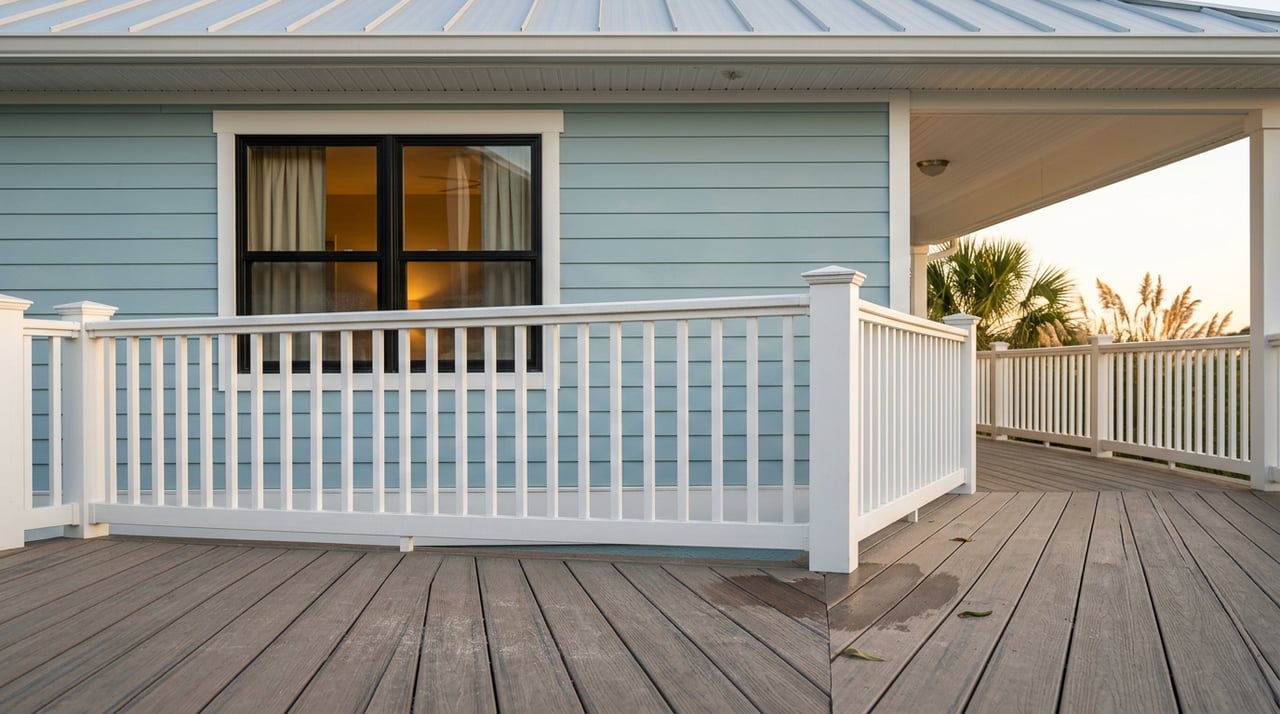
Decks and stairs need frequent inspection. Look for loose fasteners, soft spots, and rail stability. A proactive plan avoids larger capital projects and protects guest safety.
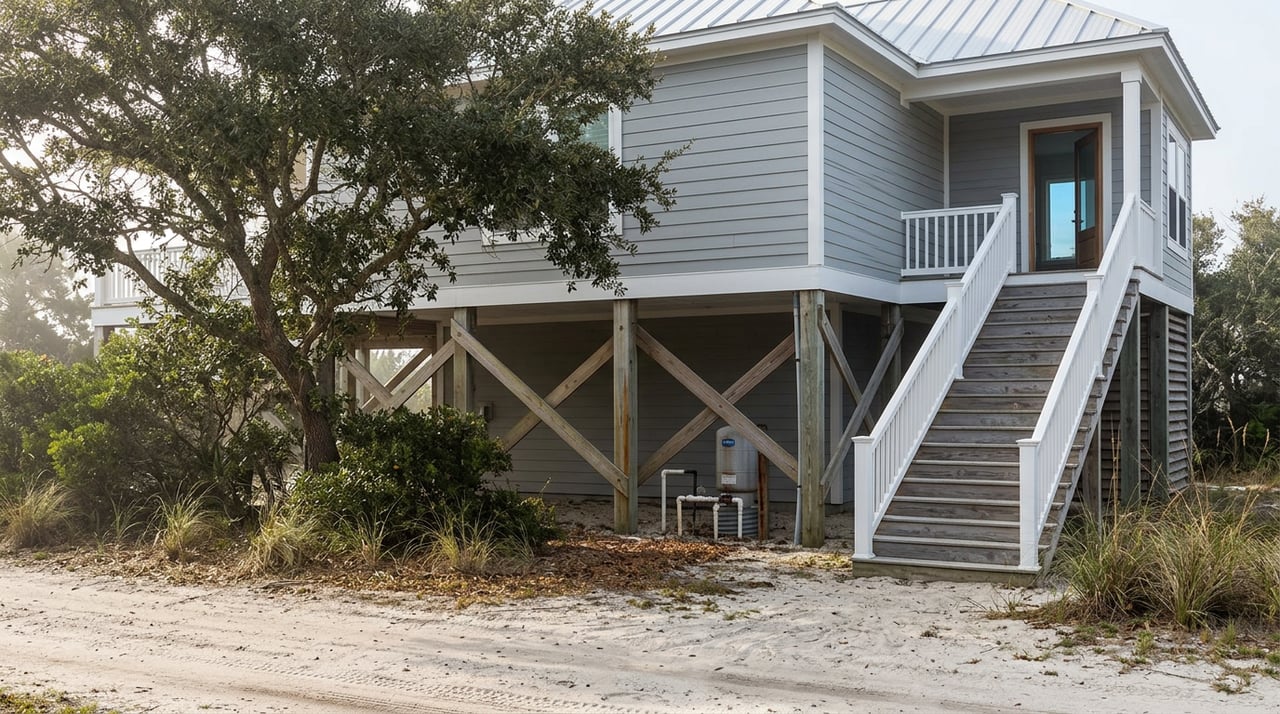
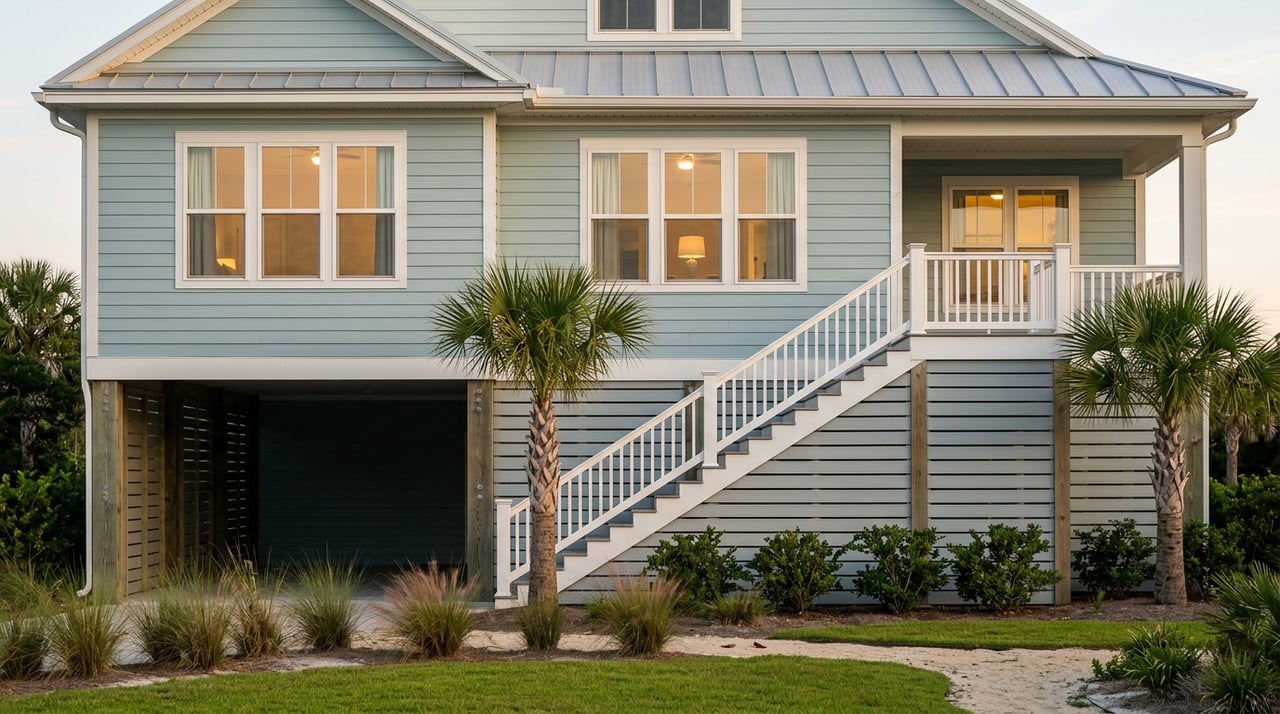
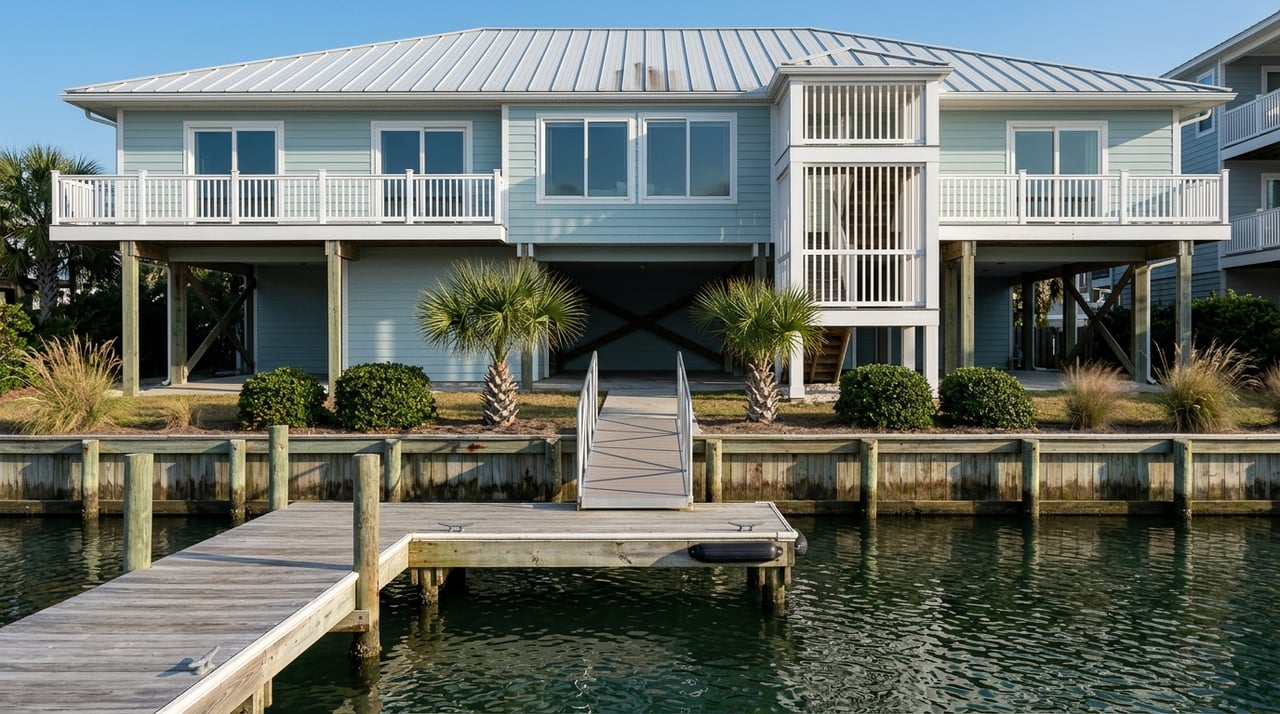
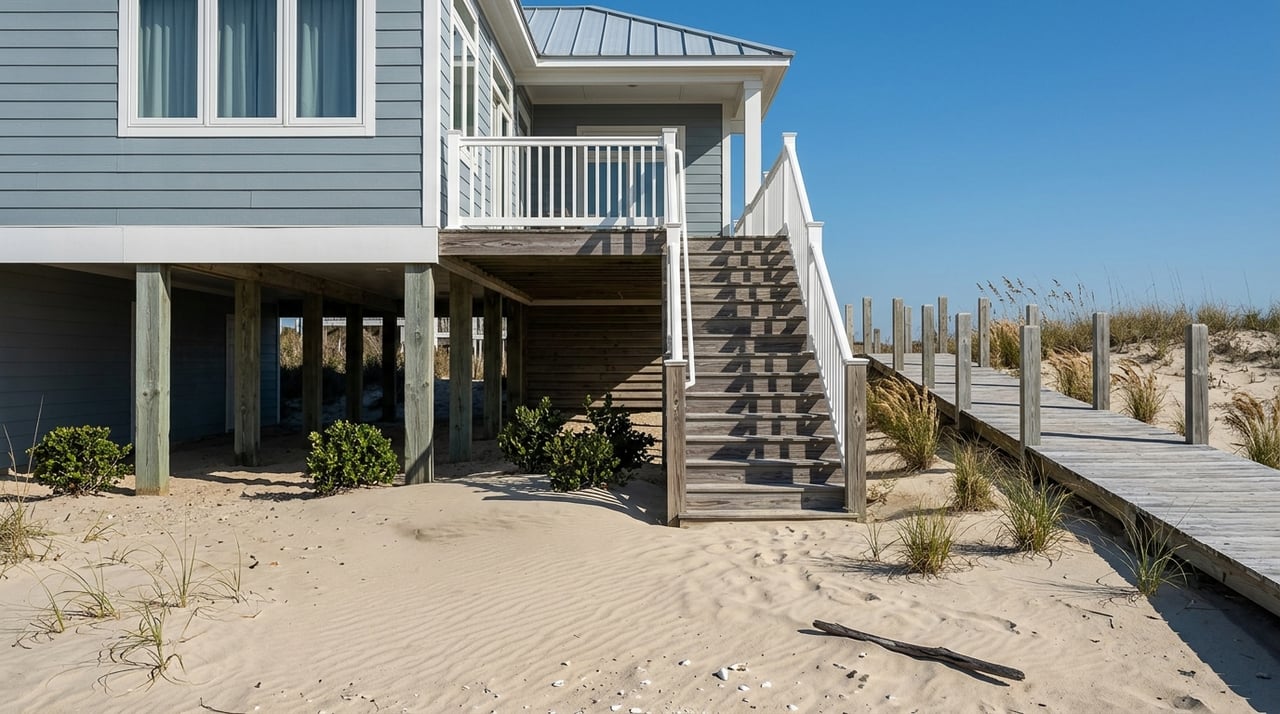
Many Corolla homes are elevated on pilings to meet coastal codes. Inspect pilings and cross‑bracing regularly and keep under‑house utilities secure. HVAC should be serviced more than once a year due to high summer use and humidity. Dehumidification and ventilation help prevent moisture and mold in the off‑season.
Roofs face wind, sun, and storm stress. Schedule periodic inspections, especially after named storms. Termites and other pests are a known risk, so maintain treatments and inspections on a schedule.
Many properties rely on septic systems. Verify capacity, pumping schedule, and drainfield protection. In the off‑season, owners often shut off main water, drain lines where appropriate, and protect irrigation systems. These steps help prevent frozen pipes and slow moisture buildup.
Hurricane season runs from June 1 through November 30, with peak activity often in August through October. Owners should have written plans for preparation and post‑storm checks. If you rent your home, align your policies with your property manager and clarify guest communication and refund terms.
A practical checklist includes:
Corolla sits on a barrier island, which means storm surge, flooding, and shoreline change are ongoing risks. FEMA flood maps apply, and elevation certificates are important for underwriting and risk assessment. Sea level rise and erosion trends are part of long‑term planning and insurance conversations.
Insurance needs often include a standard homeowners policy plus wind or hurricane coverage. Flood insurance is required by lenders in certain flood zones and is still wise in many other areas. Premiums vary by elevation, construction type, mitigation features, and insurer availability. Get quotes early and use them in your operating model.
Owners who rent short term should be prepared to collect and remit applicable transient occupancy and sales taxes. HOA covenants, if present, can set rules for occupancy, parking, pets, and exterior changes. Currituck County enforces land‑use standards, dune and vegetation protection, and septic permitting. Always verify current requirements before you buy or renovate.
Use this list to reduce surprises and protect yield:
A simple annual cadence keeps things predictable:
If you live out of state, a local property manager and vetted vendor list provide critical coverage for turnovers, emergency calls, and storm response. Written service standards and clear escalation paths keep operations steady.
You get a premier beach setting with strong summer demand and a quiet off‑season for personal use and projects. In return, you accept higher maintenance and insurance costs, plus the need for storm plans and clear processes. If you approach ownership with a practical operating model and local expertise, a Corolla beach house can deliver both personal enjoyment and disciplined, seasonal income.
Ready to plan your purchase or optimize a current property? Connect with Brook Sparks for a CB Estimate and Owner Consultation. You will get revenue guidance, an operations plan, and a clear path to your next step.
Stay up to date on the latest real estate trends.


I provide expert guidance for buyers, investors, and property owners looking to maximize value in coastal real estate. By understanding each client’s goals—whether lifestyle-driven or investment-focused—I help identify properties that align with long-term success. My services also include consulting for existing owners, with strategies focused on pricing, performance optimization, and simple improvements that increase revenue and visibility year-round.