Discover the Best Corolla Areas for Vacation Rentals
March 5, 2026
March 5, 2026
You have lots of great choices in Corolla, and the area you choose will shape your revenue, risk, and owner experience. The right pick can boost summer rates and smooth shoulder-season bookings, while the wrong fit can strain cash flow or add hidden costs. In this guide, you’ll compare sub-areas across Corolla, learn what drives performance, and get a simple framework to match neighborhoods to your goals. Let’s dive in.
Corolla is a higher priced Outer Banks market with strong summer demand. Market averages from AirDNA show roughly 60% occupancy and an average daily rate around $620, with annual revenue per listing in the tens of thousands. These numbers are market-wide baselines, not guarantees for any single property, and large oceanfront homes often outperform them. You’ll see wide spreads by location, size, and amenities, so always ask for verified rental statements before you buy.
Peak demand centers on Memorial Day through Labor Day, when weekly bookings and higher rates dominate. Many homes require Saturday or Friday turnovers during peak weeks, then allow shorter stays in spring and fall. Off-season can be softer, although amenity-rich or soundside homes with fishing, golf, or sunset draw can hold steadier demand.
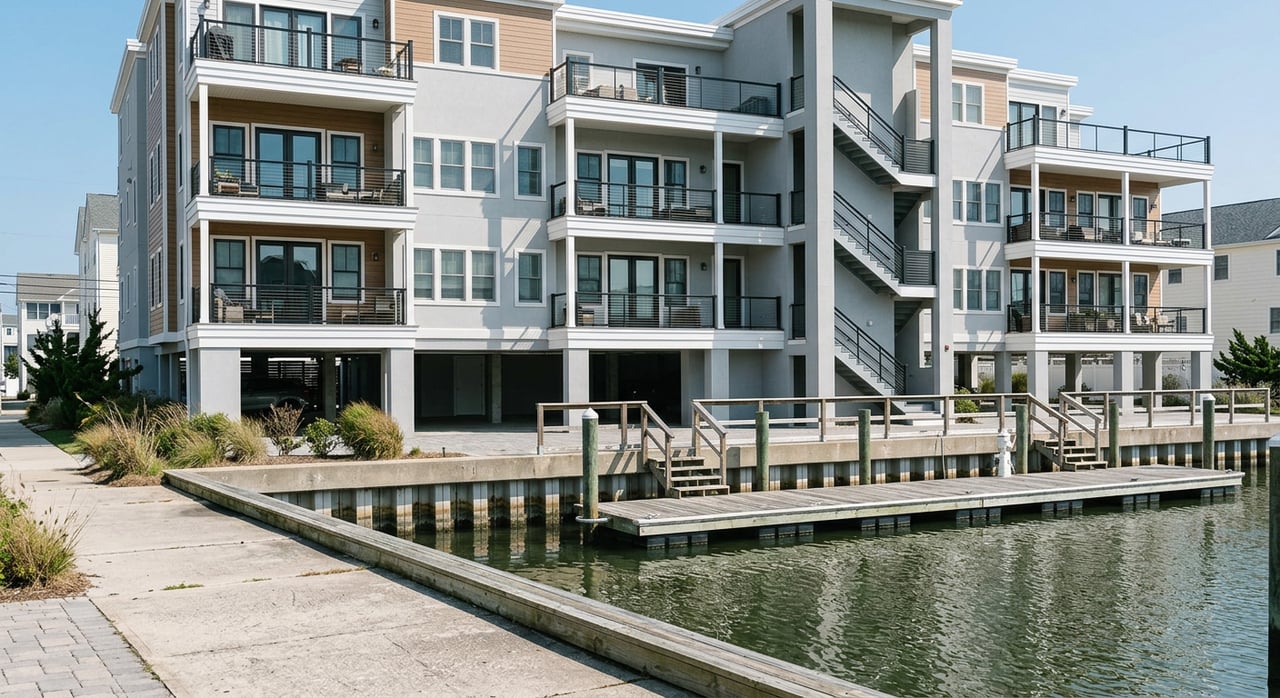
Oceanfront and first-row homes usually command the highest summer rates and the longest booking lead times. Guests pay a premium for views and direct beach access, which is why market averages are pulled upward by these listings. Expect higher purchase prices, elevated wind and flood insurance, and more maintenance from salt and storms. If you target top-line revenue and accept higher operating costs, this tier can work well.
One-lot-back and easy-walk homes can deliver strong summer income at a lower entry price than direct oceanfront. You may see a better balance of revenue and upkeep, with similar guest appeal if access is straightforward. These homes remain coastal, so insurance and maintenance still matter.
Corolla Light stretches from ocean to sound and is known for multiple pools, fitness and sports facilities, beach access, and seasonal trolley service. Amenity-driven demand helps properties book even if they are not oceanfront, and on-site activities can support steadier shoulder-season occupancy. Be sure to confirm HOA rules, fees, and amenity wristband limits, since those affect group size and marketing.
Soundfront and golf-oriented neighborhoods appeal to guests who prioritize calmer water, sunsets, fishing, or golf. These homes often have lower ADR than oceanside, but can offset that with stronger fall and spring demand. Dock upkeep, mosquito season, and distance to surf beaches are tradeoffs to consider.
Homes near the Currituck Beach Lighthouse and the Whalehead area mix convenient beach access with nearby attractions. That can support short-stay demand and event-adjacent weekends outside peak weeks. Inventory ranges from classic cottages to larger homes, so performance varies widely by size and proximity to beach access.
North of the paved road, access requires a true 4x4 vehicle and guests must follow beach driving and parking rules. The wild-horse setting is rare, which supports premium pricing for the experience. Operations are more complex since services, towing, and deliveries are harder, so guest education is essential. Review permit logistics and make sure listings explain requirements.
For current 4x4 parking permit details, direct guests to the county portal for rules and weekly permits through the Currituck County Beach Parking Permit portal.
State law requires written vacation rental agreements for stays under 90 days and sets consumer protections, including rules for mandatory evacuations and habitability. Review your agreement language and insurance options with a knowledgeable manager or attorney. You can read a consumer summary from the state at the North Carolina Department of Justice.
Currituck County collects occupancy taxes, and hosts also register for state sales tax. Some platforms collect and remit certain taxes, but not always. Verify current percentages and remittance steps with the county, and see the state framework for county occupancy taxes in the North Carolina General Statutes overview.
Parts of Corolla sit in Special Flood Hazard Areas, which impacts construction, insurance, and underwriting. Ask for the Flood Insurance Rate Map panel and any Elevation Certificate before you write an offer. You can review Currituck planning context in the county land-use and flood participation documents, which discuss flood zones and mitigation planning, available here: Currituck County Land-Use Plan reference. For scenario planning, the NOAA Sea Level Rise Viewer can help you visualize parcel-level exposure.
Insurance is a major expense. Coastal homes carry higher wind and hurricane deductibles, and oceanfront properties in VE zones often require elevated construction and specialized underwriting. Build multiple quotes into your pro forma early.
Many homes use septic systems, and maximum advertised occupancy is often tied to septic permits. Confirm the approved bedroom count, recent inspections, and any required local safety checks. If the home is on private community water or HOA-managed utilities, review service agreements and fees.
Full-service vacation rental management commonly runs 15% to 25% of gross income, which materially affects net returns. Weigh fee structure, marketing reach, and revenue management capability against any savings from self-management. Operations in oceanfront and 4x4 areas can demand more robust vendor coverage.
Consider semi-oceanfront or near-ocean homes that command strong summer rates without oceanfront costs. Amenity-driven communities like Corolla Light can add shoulder-season lift. Some soundside homes perform well in fall and spring, which improves annual occupancy. Always underwrite with verified statements and conservative off-season assumptions.
Direct oceanfront and select 4x4 properties offer scarcity that can support appreciation over time. Expect higher insurance and maintenance, plus more cyclical swings. This path can make sense if you accept slower cash flow in exchange for unique frontage or setting.
Target convenience and amenities. Corolla Light, Village and Whalehead-adjacent streets, and semi-ocean homes make owner weeks easy while remaining marketable. Confirm HOA armband limits and parking to match your typical group size.
Use market averages as a baseline illustration, not a forecast. If a typical Corolla listing produced about $42,900 in annual revenue, and a home is priced near $900,000, then the simple gross yield would be roughly 4.8%. After operating costs like management, utilities, insurance, taxes, and maintenance, net yield can fall into the low single digits. This is exactly why you request verified P&L, study week-by-week occupancy, and confirm quotes for insurance before you make an offer. For context on market averages, see the AirDNA Corolla overview.
If you want a clear, data-backed short list of Corolla neighborhoods that match your goals, let’s align on numbers and an operating plan. We will review verified rental history, model yield scenarios, and pressure-test insurance and HOA rules before you write. When you are ready to buy or reposition an existing home, connect with Brook Sparks to Request your CB Estimate and Owner Consultation.
Stay up to date on the latest real estate trends.


I provide expert guidance for buyers, investors, and property owners looking to maximize value in coastal real estate. By understanding each client’s goals—whether lifestyle-driven or investment-focused—I help identify properties that align with long-term success. My services also include consulting for existing owners, with strategies focused on pricing, performance optimization, and simple improvements that increase revenue and visibility year-round.