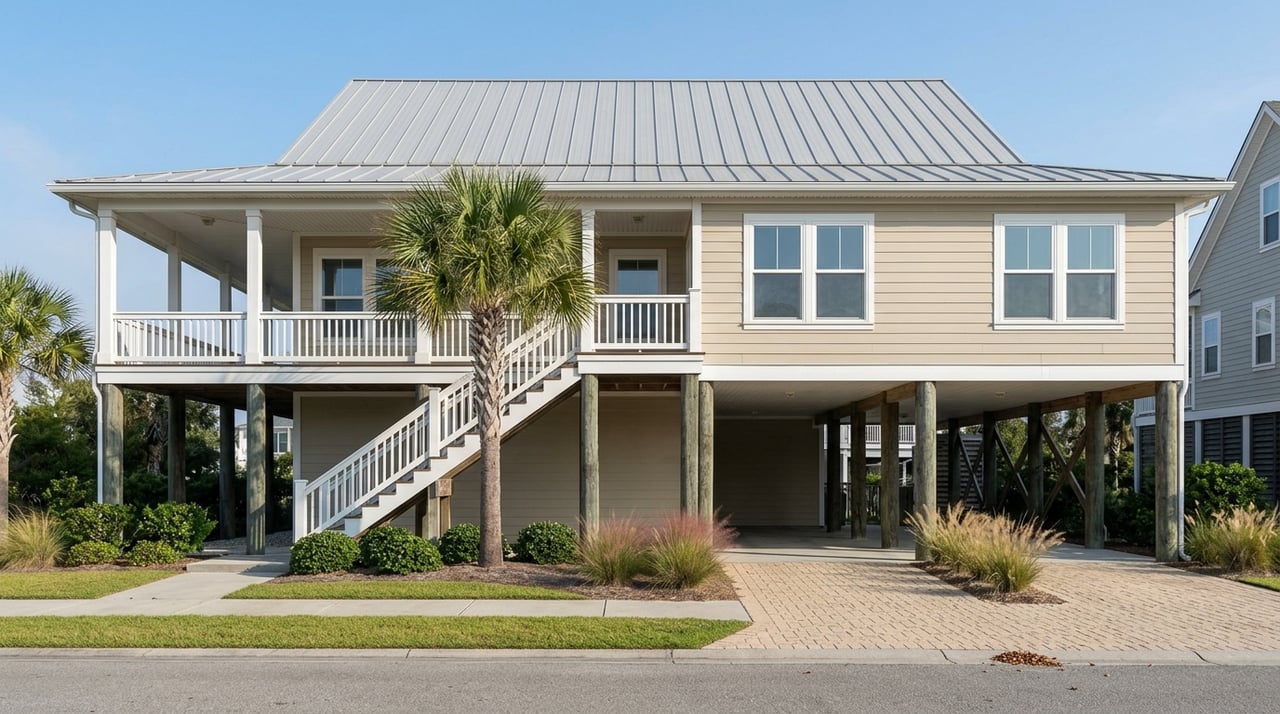
Corolla HOA Considerations Every Buyer Should Review
July 2, 2026
July 2, 2026
Buying in Corolla can be exciting until you realize the house is only part of the decision. In many resort communities, the homeowners association can shape your costs, your rental plans, your renovation timeline, and even how your guests use amenities. If you are considering a second home or investment property in Corolla, understanding the rules up front can help you avoid surprises and buy with more confidence. Let’s dive in.
In Corolla, many homes sit in planned communities or condominium regimes with recorded rules, shared amenities, and ongoing owner obligations. That means your ownership experience may include more than mortgage, insurance, and maintenance.
You may also need to account for dues, reserve funding, amenity procedures, parking rules, and use restrictions. For second-home buyers and rental-focused buyers, those details can directly affect operating costs and guest experience.
For many planned communities in North Carolina created on or after January 1, 1999, the North Carolina Planned Community Act generally applies. Some core protections also apply to older communities unless the declaration says otherwise.
If the property is a condominium instead of a lot in a planned community, the North Carolina Condominium Act may apply instead. That distinction matters because the governing structure, required documents, and association powers can differ.
Local rules still matter too. State law does not replace local zoning, subdivision, building-code, or other land-use rules, and Currituck County handles permits, inspections, and planning enforcement through its local offices.
Most buyers should expect an association to have meaningful authority over how the community operates. Under North Carolina law, associations may adopt rules and budgets, collect assessments, regulate common elements, charge user fees for common elements and services, and impose late charges, fines, or suspensions after notice and an opportunity to be heard.
In practical terms, that often translates into everyday rules that affect how you use the property and how smoothly rentals run. In Corolla resort neighborhoods, common topics can include:
Not every Corolla community handles these items the same way. That is why buyers should review the actual declaration, bylaws, and current rules for the specific property, not rely on assumptions from another neighborhood.
Some Corolla communities operate with a higher-touch model than buyers expect. Official materials for Corolla Light, for example, show that security staff check parking passes at the main entrance, some homes require amenity wristbands, and the community includes resort-style features like trolley service and a sports center.
Its published utility information also notes that staff roll trash and recycling cans to the curb on the community schedule. For a buyer, that is a useful reminder that HOA living in Corolla can involve operational systems that affect owners, guests, vendors, and turnover routines.
If you plan to rent your home, these details matter. Parking-pass policies, guest access procedures, and amenity rules can influence reviews, housekeeping logistics, and how easy the property is to manage from out of state.
HOA dues are only the starting point. Your ownership budget may also need to include special assessments, reserve contributions, and separate amenity or service charges.
North Carolina law allows associations to assess common expenses, and buyers should review current financials carefully. A community with strong amenities may also have a more complex cost structure, especially if some services or access rights are billed separately.
Here are the main fee categories to ask about:
There are also statutory charges to keep in mind at closing. Associations may charge up to $200 for a statement of unpaid assessments, plus up to $100 for an expedited request made within 48 hours of closing.
Many buyers underestimate how formal HOA enforcement can become. Under North Carolina law, associations may impose late charges, fines, or suspensions after required notice and an opportunity to be heard.
The statute also sets a late-charge ceiling of the greater of $20 per month or 10 percent of the unpaid installment. If assessments remain unpaid for 30 days and a claim of lien is filed, the debt can become a lien.
After 90 days, an association may pursue nonjudicial foreclosure if statutory notice and procedures are followed. That is one reason due diligence on dues, pending charges, and association financial health is so important before you close.
If you are buying in a resale community, document review is one of the most important parts of your due diligence. The disclosure package is expected to include the declaration, bylaws, rules, and a certificate covering assessments, other fees, approved capital projects, reserves, recent financials, and the operating budget.
Timing matters too. If that certificate is not delivered more than five days before the contract, the buyer may have a voidable contract right.
Ask for these items early in the process:
Public records can also help confirm what is recorded against the property. Currituck County's Register of Deeds and GIS offices are public-record sources for deeds, plats, and recorded land documents, although the Register of Deeds does not provide legal advice or title searches.
For many Corolla buyers, rental performance is part of the ownership strategy. In that case, HOA review should go beyond dues and basic rules.
You should confirm whether the community has minimum-stay rules, guest-count limits, amenity fees, or policies tied to parking passes and wristbands. Those details can affect booking appeal, guest logistics, and the amount of coordination needed during peak season.
Ask specific rental-use questions such as:
A rule that looks minor on paper can become operationally important once guests arrive. For absentee owners and investors, that is where local guidance can be especially valuable.
If you want to update or expand a property, HOA approval may be only one step. You should also confirm permit requirements with Currituck County before relying on association approval alone.
The county's Corolla office and planning staff handle permit and code-related questions. That means exterior improvements, structural work, or site changes may involve both community rules and county requirements.
Before you commit to a remodel plan, ask:
Some Corolla buyers specifically want access to the 4WD beach north of town. If that is part of your plan, verify county requirements as part of your due diligence.
Currituck County currently requires an access permit to park there, and the county states that each property owner receives two permits. If beach driving is important to your household or guest experience, make sure you understand how that works before closing.
When you are comparing properties, it helps to evaluate the HOA the same way you evaluate the house. A good fit is not just about the view or bedroom count. It is also about whether the rules, fees, and operations match how you plan to own and use the property.
Use this simple checklist:
For second-home buyers, investors, and absentee owners, this review is not busywork. It is part of understanding the real cost and real operating profile of the property.
Buying in Corolla can be a smart move, but only if the HOA structure supports your goals. If you want help evaluating how dues, rules, amenities, and rental operations may affect a specific property, Brook Sparks can help you review the details with a practical, ownership-focused lens.
Stay up to date on the latest real estate trends.



I provide expert guidance for buyers, investors, and property owners looking to maximize value in coastal real estate. By understanding each client’s goals—whether lifestyle-driven or investment-focused—I help identify properties that align with long-term success. My services also include consulting for existing owners, with strategies focused on pricing, performance optimization, and simple improvements that increase revenue and visibility year-round.